
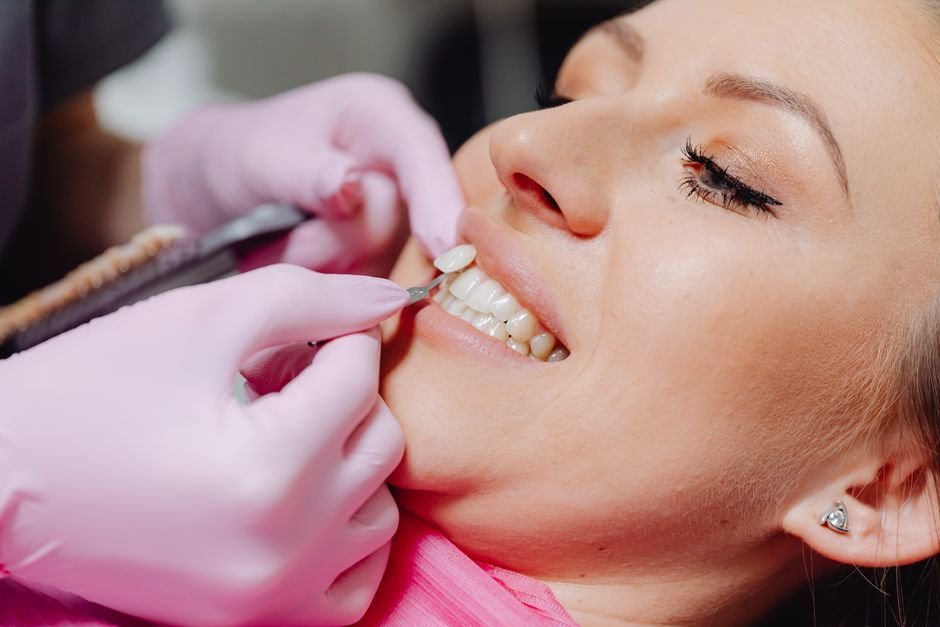
Investing in your smile is one of the most rewarding decisions you can make. A beautiful smile can boost confidence, improve first impressions, and help you feel more comfortable in both personal and professional situations. For many patients, dental veneers provide the ideal solution for achieving a brighter, more balanced, and more attractive smile.
One of the reasons veneers remain so popular is their durability. Modern porcelain veneers are designed to provide long-lasting results while maintaining a natural appearance. However, like any dental restoration, veneers require proper care to maximize their lifespan and preserve their beauty.
At Trusted Dentist in Leesburg, Virginia: Dental Veneers treatments are carefully designed to deliver exceptional results that patients can enjoy for many years. Understanding how to properly care for your veneers can help protect your investment and keep your smile looking its best long into the future.
Understanding Dental Veneers
Dental veneers are thin, custom-crafted shells that are bonded to the front surfaces of teeth. They are commonly made from porcelain or composite resin. Porcelain veneers are especially popular because they offer natural aesthetics, strength, durability, and stain resistance. Each veneer is individually designed to complement the patient smile and facial features. When properly cared for, veneers can provide beautiful, reliable results for many years.
How Long Do Dental Veneers Typically Last?
One of the most common questions patients ask is how long veneers will last. While every situation is unique, porcelain veneers often remain functional and attractive for 10 years, 15 years, or sometimes even longer. Several factors influence longevity including oral hygiene habits, dietary choices, lifestyle habits, teeth grinding, and regular dental care. Proper maintenance plays a significant role in maximizing veneer lifespan.
Why Veneer Care Matters
Although veneers are highly durable, they are not indestructible. Just like natural teeth, veneers are exposed to daily forces from chewing, biting, speaking, and temperature changes. Good habits help protect both your veneers and the natural teeth beneath them. Patients who maintain their veneers properly often enjoy longer-lasting results and fewer complications.
Daily Habits That Protect Veneers
The good news is that caring for veneers is relatively simple. Most recommendations are similar to maintaining natural teeth.
Brush Twice Daily
Brushing remains one of the most important steps in preserving oral health. Use a soft-bristled toothbrush, non-abrasive toothpaste, and gentle brushing techniques. Brushing helps remove plaque and bacteria that can affect surrounding gum tissue and natural teeth.
Floss Every Day
Flossing is essential because veneers only cover the visible front surfaces of teeth. The natural tooth structure remains susceptible to decay, plaque buildup, and gum disease. Daily flossing helps maintain overall oral health and protects the longevity of your veneers.
Use an Alcohol-Free Mouthwash
Many dentists recommend alcohol-free mouthwash because it helps reduce bacteria while being gentle on dental restorations. Mouthwash can help freshen breath, reduce plaque, and support gum health. Healthy gums contribute to successful long-term veneer outcomes.
Choosing the Right Toothpaste
Not all toothpastes are created equal. Some highly abrasive whitening products can gradually dull the polished surface of veneers. Choose toothpaste that is non-abrasive, dentist-recommended, and safe for cosmetic restorations. Your dental team can recommend products that help maintain the appearance of your veneers.
Protecting Veneers from Physical Damage
While porcelain veneers are strong, excessive force can cause damage. Never use your teeth to open packages, tear tape, open bottles, or cut objects as these habits place unnecessary stress on both veneers and natural teeth. Most foods can be enjoyed normally, however biting directly into extremely hard objects such as ice cubes, hard candies, and unpopped popcorn kernels may increase the risk of damage. Also avoid chewing pens, fingernails, and pencil erasers as these habits can place excessive pressure on veneers.
The Impact of Teeth Grinding
Teeth grinding, also known as bruxism, can significantly affect veneer longevity. Grinding creates repetitive pressure that may wear down veneers, cause fractures, and damage natural teeth. Many people grind their teeth while sleeping without realizing it. Common symptoms include jaw soreness, morning headaches, tooth sensitivity, and worn teeth. Patients with bruxism may benefit from a custom nightguard that creates a protective barrier and helps reduce stress on veneers.
Maintaining Healthy Gums
Healthy gums are essential for maintaining a beautiful smile. Even the most attractive veneers can be compromised by gum disease. Healthy gums help support veneers, maintain aesthetics, protect natural teeth, and reduce inflammation. Maintain gum health through daily brushing, daily flossing, professional cleanings, and routine dental visits. Healthy gums contribute significantly to long-term veneer success.
Foods and Drinks That Affect Your Smile
Although porcelain veneers resist staining better than natural teeth, dietary habits still matter. Beverages such as coffee, tea, red wine, and dark sodas may cause staining of surrounding natural teeth over time. Drinking water after consuming staining beverages can help maintain a brighter smile. Reducing sugary foods and drinks supports overall oral health and helps prevent decay in natural teeth.
The Importance of Routine Dental Visits
Professional dental care remains one of the most important factors in veneer maintenance. Routine cleanings help remove plaque and tartar buildup. Regular examinations allow dentists to identify potential concerns before they become major problems. Your dentist can evaluate veneer integrity, gum health, bite alignment, and overall oral health. These evaluations help preserve your smile for years to come.
What to Do If a Veneer Feels Different
It is important to contact your dentist if you notice changes involving your veneers. A change in texture may indicate minor damage. New sensitivity should be evaluated promptly. A veneer should never feel unstable. If your bite suddenly feels different, an adjustment may be necessary. Early intervention often prevents larger issues.
Common Mistakes That Shorten Veneer Lifespan
Avoiding certain habits can help maximize longevity. Skipping dental appointments removes essential preventive care. Poor hygiene increases the risk of decay and gum disease. Excessive force may damage veneers. Untreated bruxism can place significant stress on restorations. Small issues should be addressed promptly to prevent further complications.
Why Patients Trust Bright Dental
At Bright Dental, we understand that veneers are an important investment in your appearance and confidence. Our approach includes customized treatment planning, high-quality materials, patient education, comprehensive preventive care, and long-term support. Our team remains committed to helping patients enjoy healthy, beautiful smiles for years.
Schedule your appointment with Bright Dental today to learn more about caring for your veneers and keeping your smile healthy, bright, and beautiful for the long term.

 Previous